Venturing into the Underworld: A Deep Dive into Darknet Markets
A hidden web, often enveloped in mystery and intrigue, has become a focal point for conversations surrounding online anonymity, privacy, and the shadowy dealings that happen outside the reach of conventional internet regulation. Inside this hidden realm lies a web of marketplaces that function under the radar, facilitating the swap of goods and services that frequently exist in a legal gray area or are totally illegal. Comprehending these dark web markets requires uncovering the layers of secrecy that surround them, exposing the motivations of their users, the functioning of their processes, and the consequences for the public at whole.
As an increasing number of individuals seek out the darknet for various reasons, from pursuing confidentiality to accessing limited information, the attraction of these markets only grows. They present a singular blend of hazard and benefit, attracting a diverse range of players who navigate a environment fraught with danger and fraud. This article will take you on a thorough exploration into the intricate world of illicit markets, examining their operation, the types of offerings available, and the ongoing battle between authorities and those who seek to exploit the shadows for personal gain.
Grasping the Shadowy Web
The shadowy web refers to a segment of the internet that is not indexed by traditional search engines. It can only be entered using particular software, arrangements, or credentials, most commonly via The Onion Router or akin networks. This establishes an environment that encourages privacy, allowing users to navigate, interact, and exchange information in secret. As a result, the shadowy web has gained notoriety for harboring a variety of illicit activities, including the distribution of narcotics, weapons, and stolen data.
While the dark web is commonly viewed as a refuge for criminals, it is important to understand that it also serves legitimate purposes. Activists, journalists, and leakers frequently utilize hidden web platforms to connect privately and avoid surveillance. In oppressive regimes, the ability to broadcast information anonymously can be key for promoting change and defending individual rights. This duality adds intricacy to the perception of the hidden web, characterizing it as a realm of both potential and danger.
Navigating the hidden web requires a subtle understanding of its framework and the possible legal implications involved. Users must be aware of the technologies that enable this hidden network, such as encryption and routing protocols, which can also pose dangers if misused. As digital privacy continues to be a pressing concern in society, grasping the hidden web’s function in shaping online interactions is crucial for anyone keen on the future of internet freedom and protection.
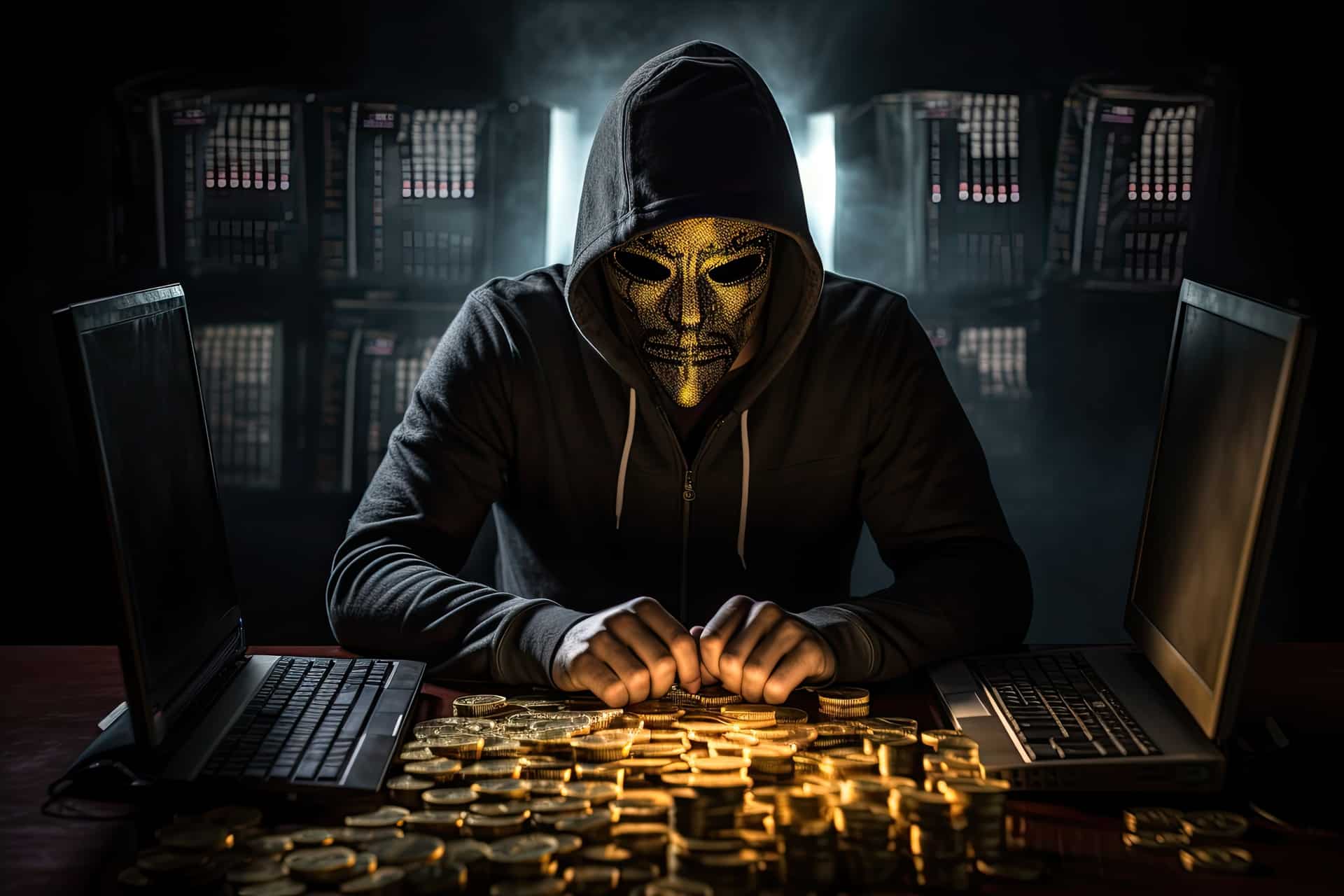
Key Darknet Markets
One of the highly well-known darknet markets is Silk Road, which was launched in the year 2011. It became notorious for allowing users to buy and trade illicit goods in secrecy, particularly narcotics, using Bitcoin as the primary currency. Silk Road functioned like a typical e-commerce platform, complete with user feedback and a rating system for sellers. Although it was shut down by law enforcement in the year 2013, its impact on the terrain of darkweb markets is still significant, influencing the development of subsequent platforms.
Another prominent market is AlphaBay, which came into existence in 2014 and quickly gained notoriety among dark web users. It offered a wide range of products, including narcotics, hacking services, and forged documents. darknet drug market and user-friendly interface attracted a large user base. Yet, similar to Silk Road, it was shut down by law enforcement in the year 2017, marking another significant moment in the continuing cat-and-mouse game between dark web operators and law enforcement.
Currently, markets like Dream Market and Empire Market are dominating the darknet landscape. Dream Market has received attention for its robust security measures and a vast array of listings. Empire Market, on the contrary, achieved rapid momentum by offering a broad range of illegal goods and services while maintaining a emphasis on user privacy. Both markets symbolize the persistent evolution of the dark web, as they adjust to the obstacles posed by law enforcement while persisting to attract users seeking anonymity and illicit goods.
Dangers and Responsibilities
Engaging with illicit markets carries significant risks that users must meticulously consider. The disguise promised by these platforms can quickly dissolve, subjecting individuals to numerous threats. Law enforcement authorities are progressively monitoring online behavior, and users risk arrest and legal action for entering or dealing on forbidden sites. Additionally, the potential for scams is high, as many vendors may not provide goods after payment is made, leaving buyers with empty pockets but lost funds.
Moreover, there are critical cybersecurity threats associated with navigating darkweb markets. Users are often vulnerable to hackers and malware, which can endanger their personal information and financial data. The lack of regulation means that these markets are fertile areas for dishonest activities and exploitation. Therefore, employing strong cybersecurity measures, such as using a secure network and safe payment methods, is vital for anyone contemplating these platforms.
Aside from personal risks, moral responsibilities must also be recognized. Many products sold on darkweb markets involve illegal substances, stolen data, or other forbidden goods that can have dire implications for individuals and society. Users must reflect on the effects of their transactions and the influence of supporting these markets. By making informed choices, individuals can navigate the complexities of the darkweb with a greater awareness of their responsibilities.